Chest pain is a complex clinical symptom that can originate from various organ systems. While it is the classic warning sign of a cardiac event, such as angina or a myocardial infarction (heart attack), chest pain can also be caused by gastrointestinal issues (like severe acid reflux or esophageal spasms), respiratory conditions, or musculoskeletal strain. Because it is impossible to definitively diagnose the underlying cause of chest pain without clinical testing, any sudden or severe chest discomfort must be evaluated medically.
In Patna and across Bihar, timely and accurate evaluation of chest pain is critical. Differentiating between life-threatening cardiac ischemia and non-cardiac chest pain requires structured diagnostic protocols, including 12-lead ECGs, cardiac biomarker testing (Troponin), and advanced imaging.
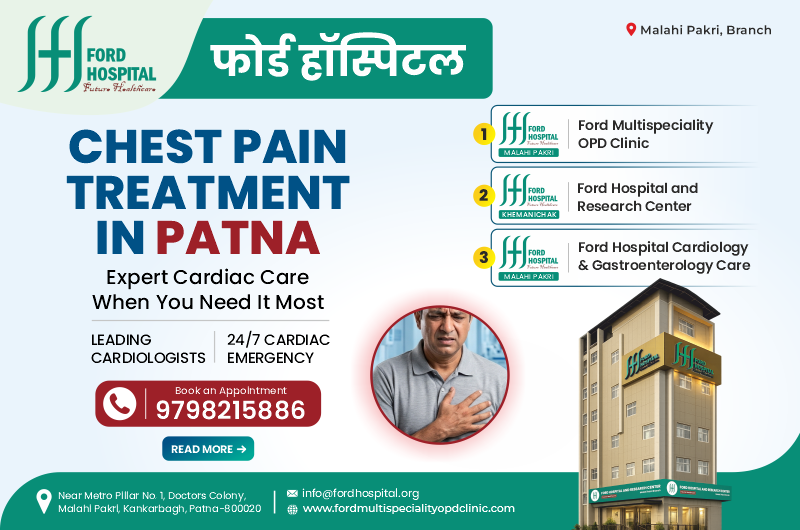
For patients requiring evaluation and treatment for chest pain, the Ford Hospital network provides a structured clinical ecosystem. In strict adherence to the National Medical Commission (NMC) 2026 guidelines regarding factual, transparent, and evidence-based medical communication, the following is an objective overview of our network’s healthcare facilities designed to evaluate and treat chest pain. The facilities are structured sequentially to reflect the patient pathway: from routine outpatient evaluation of stable chest pain to acute emergency management and specialized differential diagnostics.
Effectively managing chest pain requires a protocol-driven clinical continuum: starting with foundational outpatient diagnostics for stable symptoms, escalating to rapid emergency triage for acute pain, and utilizing targeted dual-specialty evaluations for overlapping conditions.
For patients experiencing chronic, stable, or exertional chest pain (pain that occurs predictably during physical activity and stops with rest), the Ford Multispeciality OPD Clinic serves as the primary access point for non-emergency diagnostic workups, initial medical management, and long-term preventive care.
Outpatient Specialty Directory:
When chest pain is sudden, severe, or occurs at rest, it becomes a medical emergency. Functioning as the primary multispeciality inpatient and emergency center of the network, Ford Hospital & Research Center (located near New Bypass, Khemnichak, Patna) provides the advanced diagnostic, surgical, and intensive care infrastructure necessary for the immediate management of acute, life-threatening chest pain.
Multidisciplinary Clinical Directory at Ford Hospital:
Operating as a focused dual-specialty facility, Ford Hospital Cardiology & Gastroenterology Care (located at Malahi Pakri, Kankarbagh, Patna) is structured to serve as the primary center for the differential diagnosis of complex chest pain, particularly when symptoms overlap ambiguously between the heart and the digestive system.
Explore Our Dedicated Core Services:
The evaluation of chest pain requires rapid diagnostic precision and a multidisciplinary perspective. In compliance with NMC guidelines prohibiting superlative descriptions, Ford Hospital provides a team of experienced clinicians across cardiology and gastroenterology:
While some chest pain is related to minor muscular or gastric issues, you should never attempt to self-diagnose severe symptoms. Individuals experiencing the following should proceed immediately to an emergency medical center:
When a patient arrives with chest pain, specific medical protocols are initiated to ensure structured and accurate triage:
1. How can a doctor tell if chest pain is from the heart or the stomach?
Doctors differentiate this through clinical history, ECGs, and blood tests. Generally, cardiac pain is often triggered by physical exertion and relieved by rest, while gastric pain may be related to eating, worse when lying down, and accompanied by a sour taste or burning sensation. However, clinical testing is always required for a definitive diagnosis.
2. What is stable angina?
Stable angina is predictable chest pain or discomfort that typically occurs during physical exertion or emotional stress and subsides with rest or medication (like nitroglycerin). It indicates that the heart muscle is not getting enough oxygen due to narrowed arteries.
3. Does the hospital handle chest pain emergencies at night?
Yes. Ford Hospital maintains a 24/7 emergency department equipped with ECG capabilities, rapid cardiac blood testing, and on-call cardiologists for immediate intervention.
4. What is a Treadmill Stress Test (TMT) used for?
A TMT evaluates how your heart functions during physical stress. It is frequently used in outpatient settings to determine if chronic, stable chest pain is caused by reduced blood flow to the heart (ischemia).
5. Is cashless hospitalization available for emergency cardiac admissions?
Ford Hospital operates a dedicated Third-Party Administrator (TPA) and Insurance coordination desk that facilitates cashless admissions for emergencies under recognized private insurers and eligible government healthcare schemes, subject to policy terms.